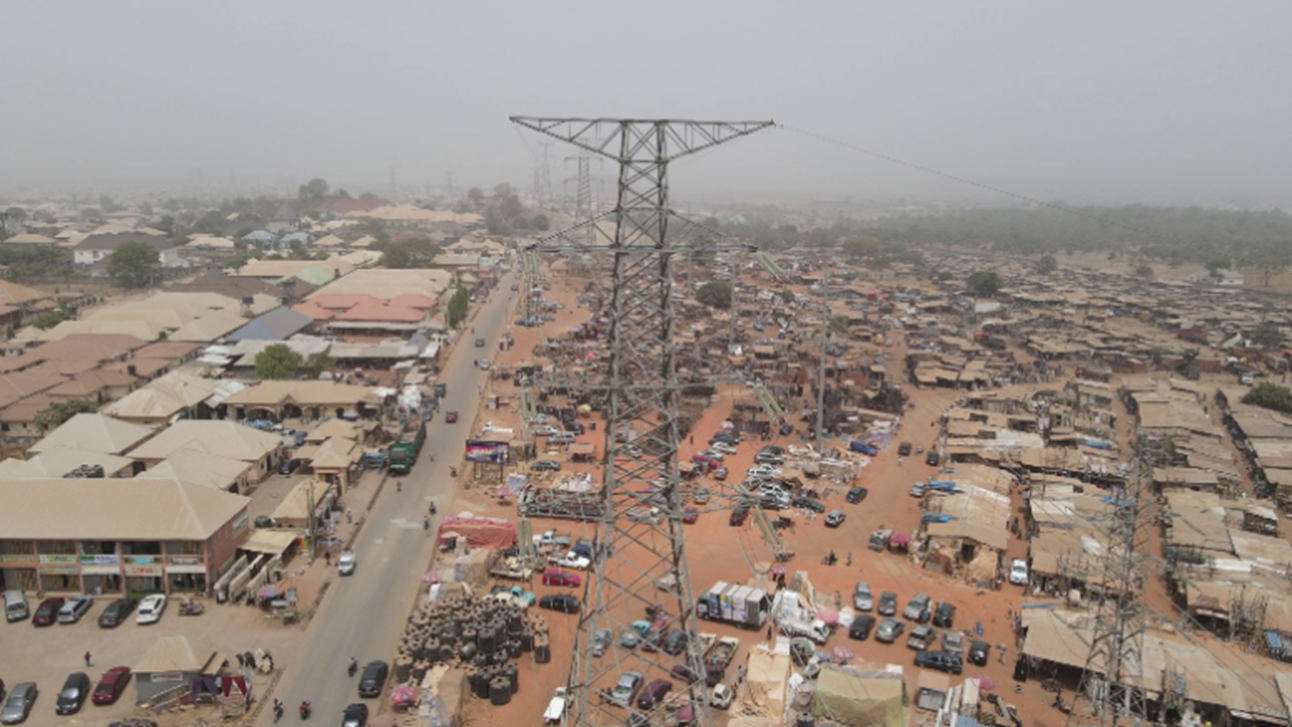
Across Nigeria, the Transmission Company of Nigeria (TCN) faces an escalating crisis of illegal encroachment on transmission Rights-of-Way (RoW). The transmission corridors intended to be clear zones for transmission lines have become bustling hubs of unauthorized human activities. Trading activities, residential buildings, and even industrial operations such as block molding and gas-refill plants have sprung up under and around high-voltage transmission lines and towers with little regard for safety or regulations. Tower bases have become dumpsites, further degrading the infrastructure and environment around these critical installations.
The consequences of such encroachments are profound. They not only compromise the integrity of Nigeria’s power infrastructure but also threaten the safety of communities and the reliability of electricity supply nationwide. For instance, in Kano, illegal structures have proliferated under transmission cables, particularly from Kumbotso to Dan-Agundi Transmission Substation, seriously hindering TCN’s operations and delaying planned power upgrades within that region. Recently, the TCN Management, through its Anti-Vandalism Committee, launched a demolition exercise of illegal structures along Kano-Zaria 330kV, Kano-Zaria 132kV and Kano-Kankia 132kV transmission lines from Panshekara to Reka Community. This was after many warnings and pleas to evacuate the RoW.
With this flagrant disregard for RoW and safety of lives, would it be right to conclude that Nigeria’s electricity transmission infrastructure faces a paradox? While the public clamours for stable power supply, vandalism and widespread encroachment on transmission RoW possess a serious hindrance to the very system meant to deliver the much desired stable power supply.
Electricity transmission towers and lines are engineering marvels, designed to withstand environmental forces while efficiently delivering bulk power, but persisting challenges such as RoW encroachments, laterite excavation, bush burning, refuse dumping, thriving businesses under the RoW are human activities that continue to compromise the integrity of transmission lines and towers despite repeated warnings and sensitisation.
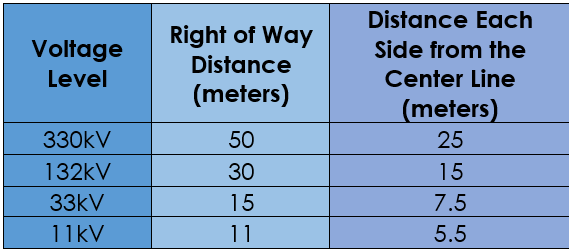
The Nigerian Electricity Supply and Installation Standards Regulations of 2015, along with guidelines from the Nigerian Electricity Regulatory Commission (NERC), stipulates certain distance from power lines. Structures that violate these corridors are subject to removal as they are deemed illegal. The removal of the offending structures however require the support of security operatives and other stakeholders. It is therefore time that all concerned muster the political will to remove the illegal structures, for the continued growth and stability of the grid. The RoW distances are set to ensure safety clearances and prevent encroachment under power lines, which could cause hazards or service disruptions and amount to regulatory violations. The standard RoW distances from the centerline of overhead power lines are as follows;
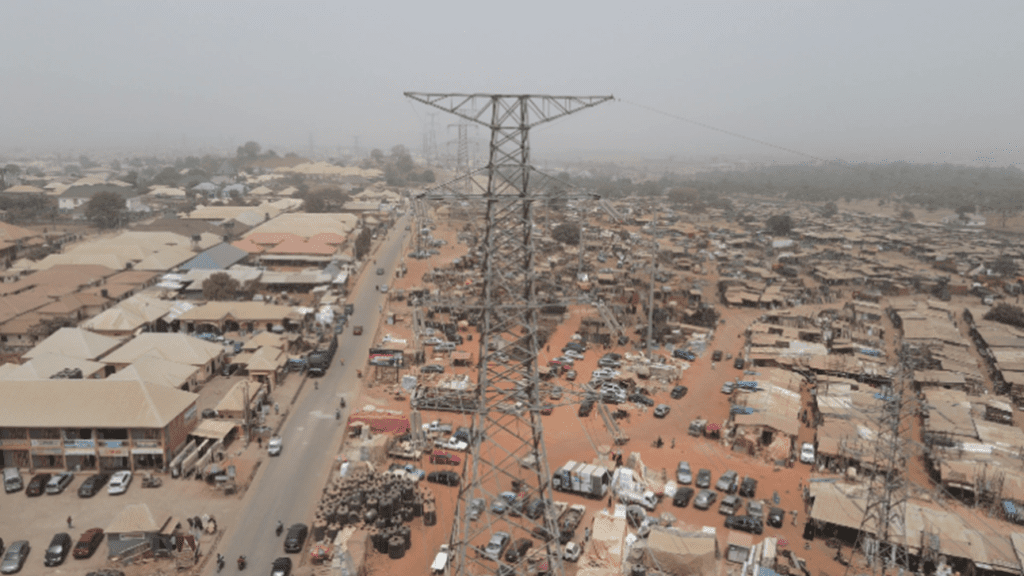
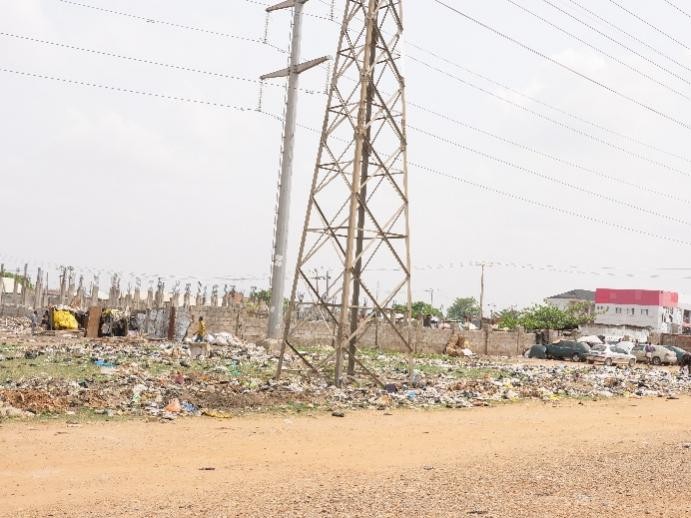
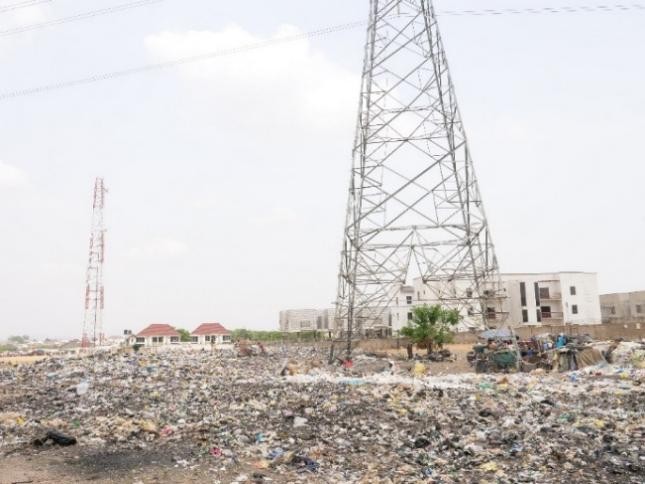
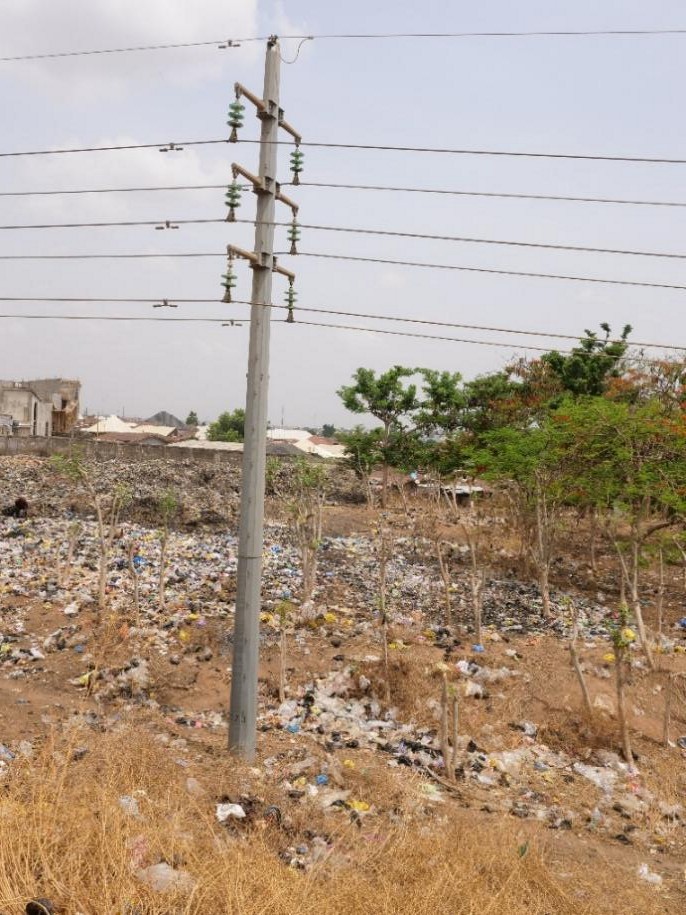
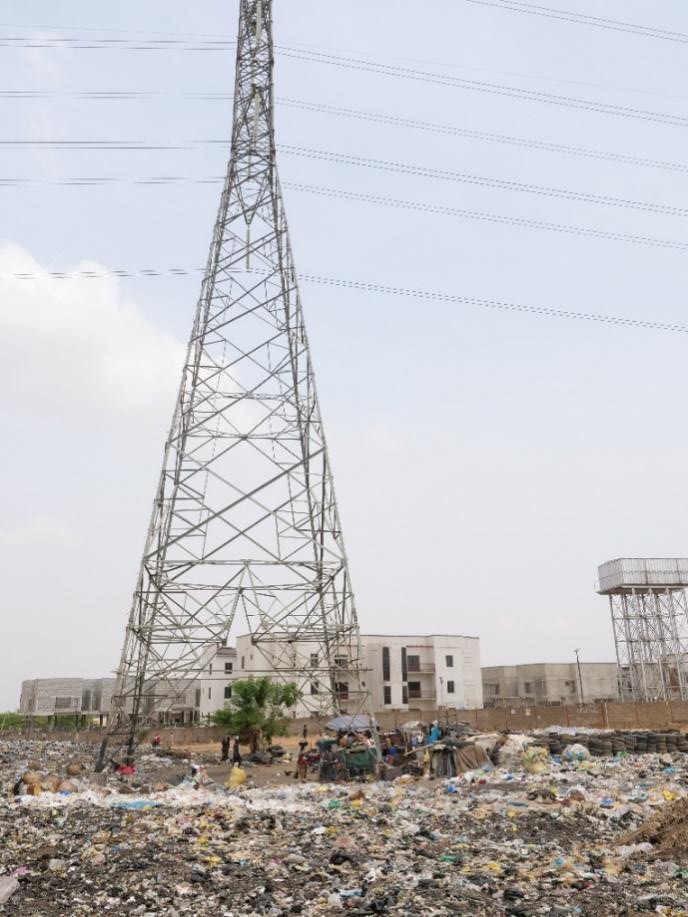
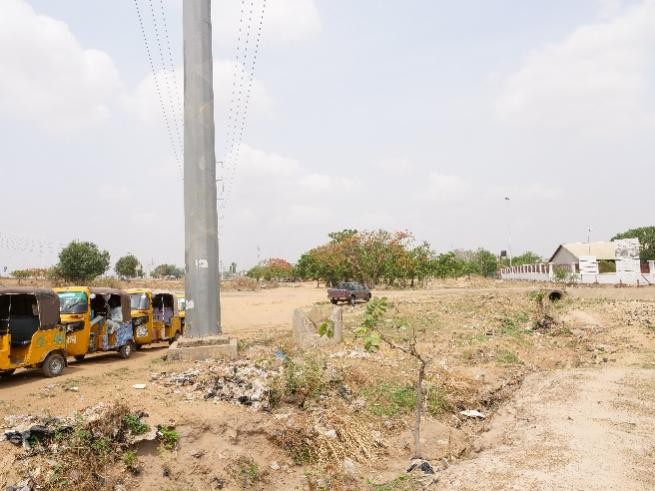
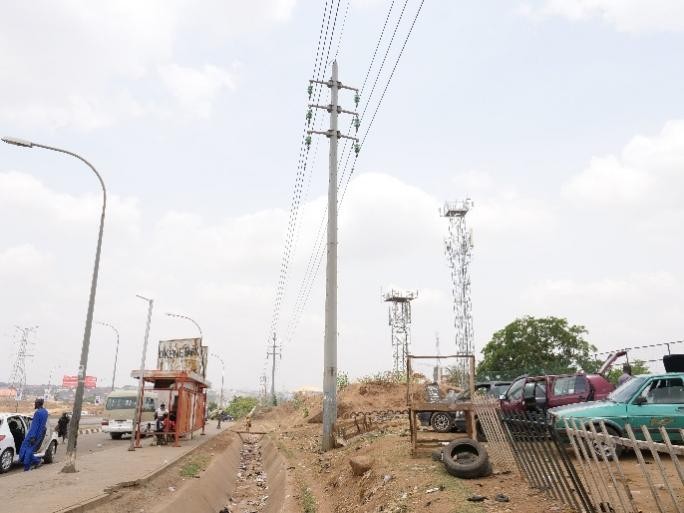
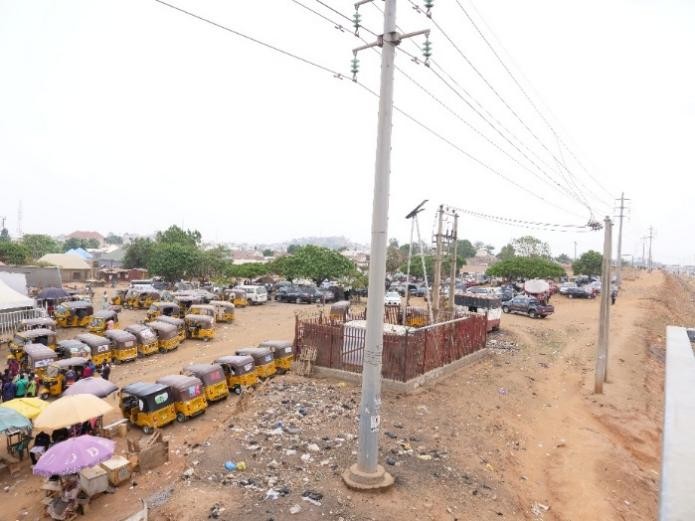
In the heart of Nigeria’s capital, the Federal Capital Territory (Abuja), where the hum of daily life intertwines with the intricate web of very robust power infrastructure, a silent yet devastating threat looms. Amidst TCN’s rising repeated concerns about the menace which has in some cases stalled projects due to encroachment, enforcement remains weak, and advocacy campaigns have not yielded the desired results. Beneath the towering structures that carry bulk electricity especially in the outskirts of the Abuja metropolis, dumpsites, businesses, traders and homes converge like bees to the hive, very close to, and under high-voltage lines. Some sit at the foot of towers, unmindful of the dangers of continued exposure to electromagnetic emissions and electrocution; the total disregard is unimaginable but true.
Tundunwada Settlement
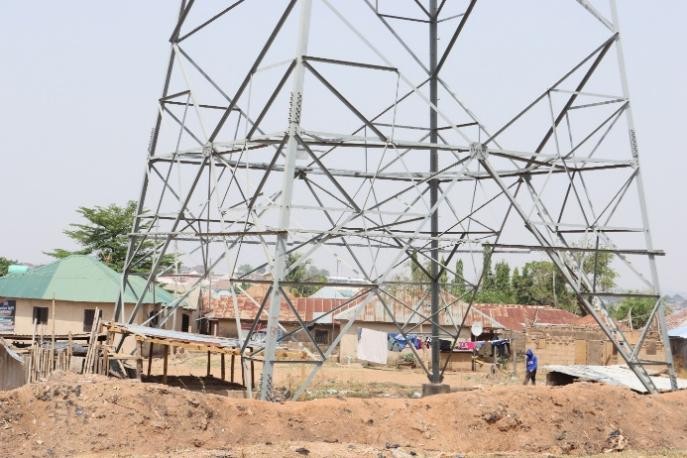
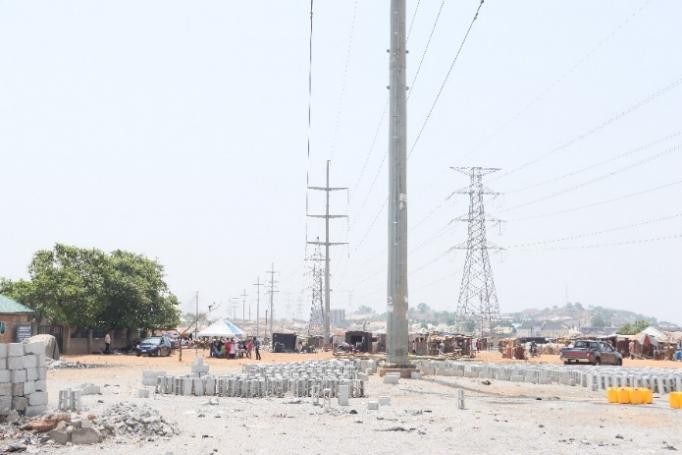
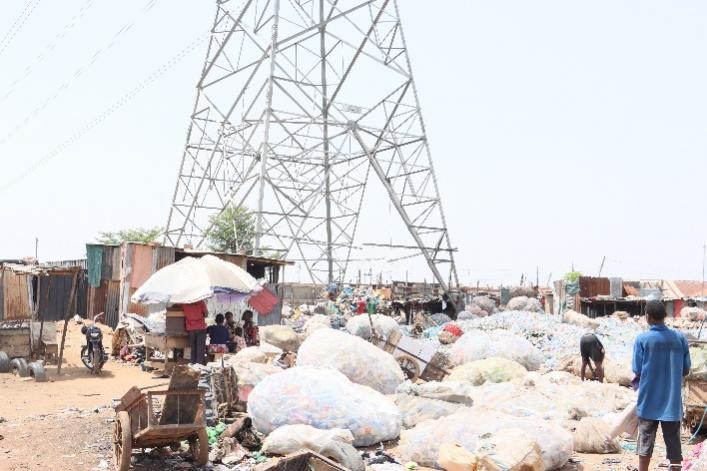
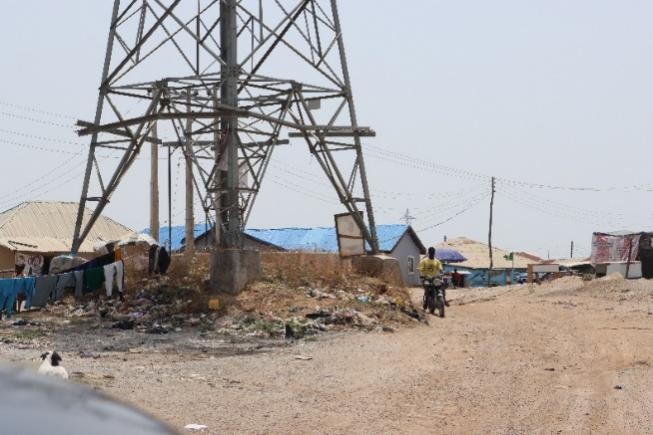
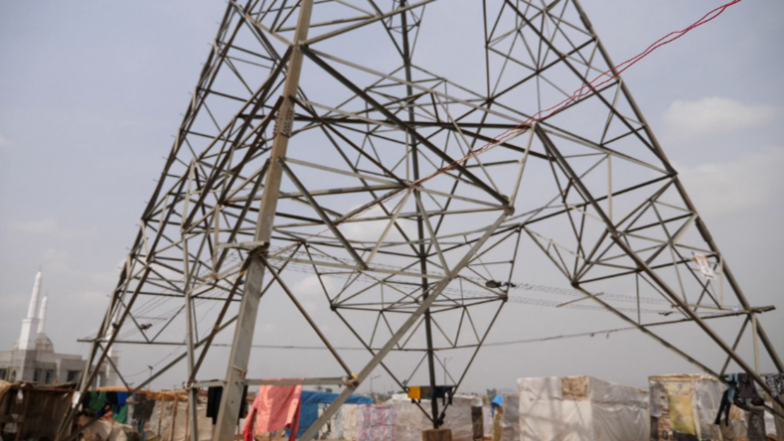
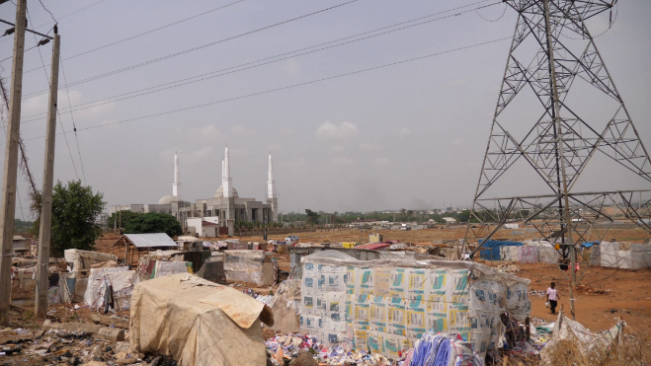
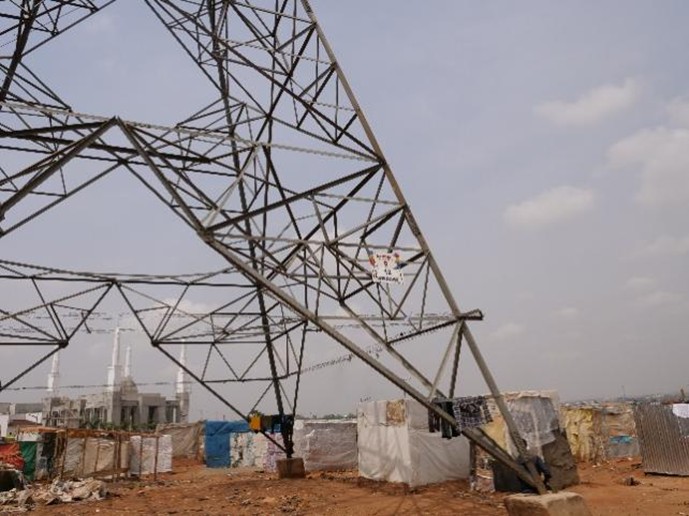
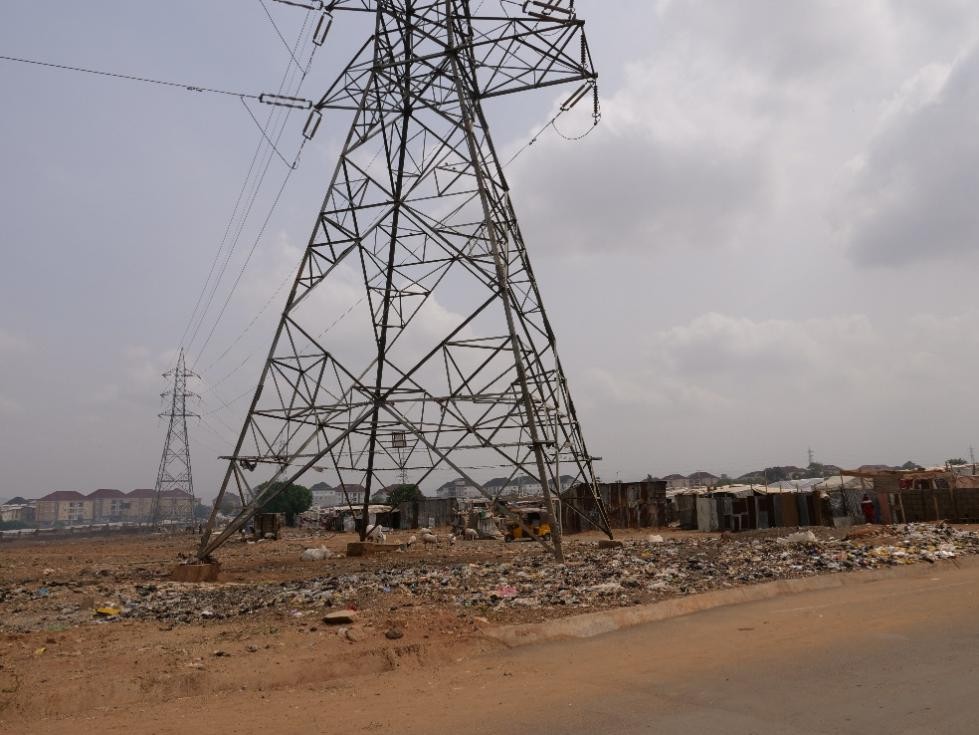
In Tundunwada settlement, Lugbe, Abuja, which is home to the nearly completed 330/132/33kV Lugbe West Main Transmission Substation, RoW violation is a norm. Two ongoing transmission lines converge here; the Ajaokuta-Gwagwalada 330kV transmission line meant to supply the Lugbe Substation, and the 132kV transmission line from the substation that will supply power to the Kukwaba 132/33kV Transmission Substation. Sadly, the base of some of the towers along the line route are already burdened with structures and trading activities.
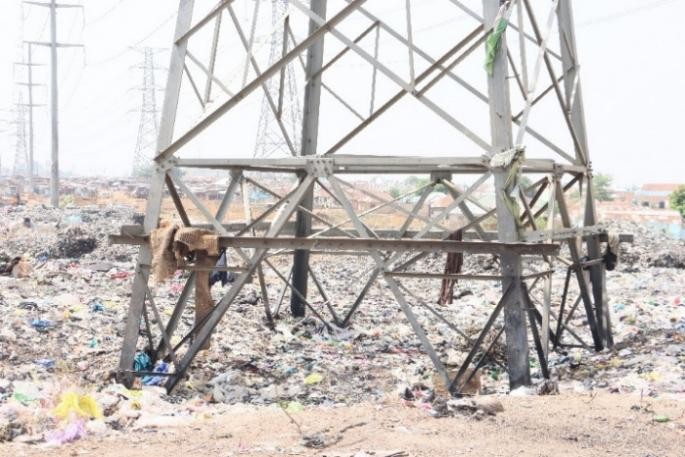
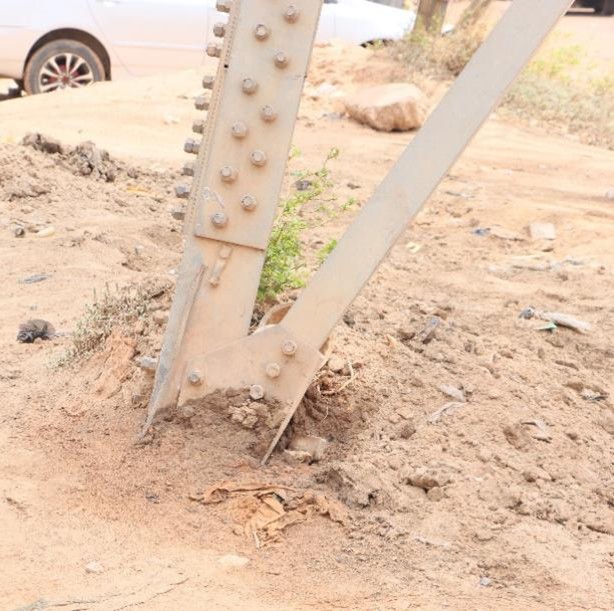
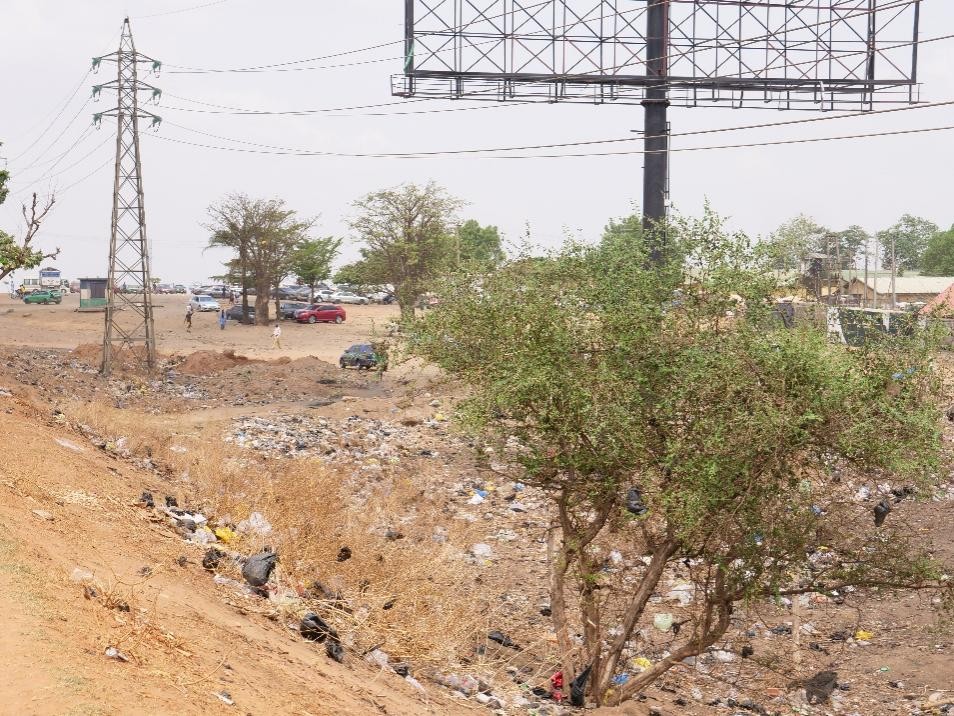
The host community has turned some tower bases into dumpsites and exposed them to extreme heat from the frequent burning of refuse. Along the route, a gas refill station is located directly beneath the transmission line and dangerously close to a tower base, without any regard for the highly flammable nature of gas and the associated risks. Additionally, near the same tower base, there is a wide drainage channel where soil is gradually being eroded due to constant human activities. The continuous washing away of soil poses a serious threat to the structural integrity of the tower.
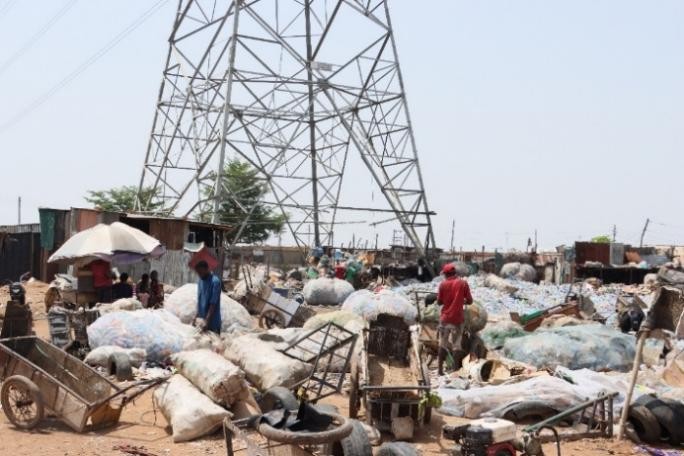
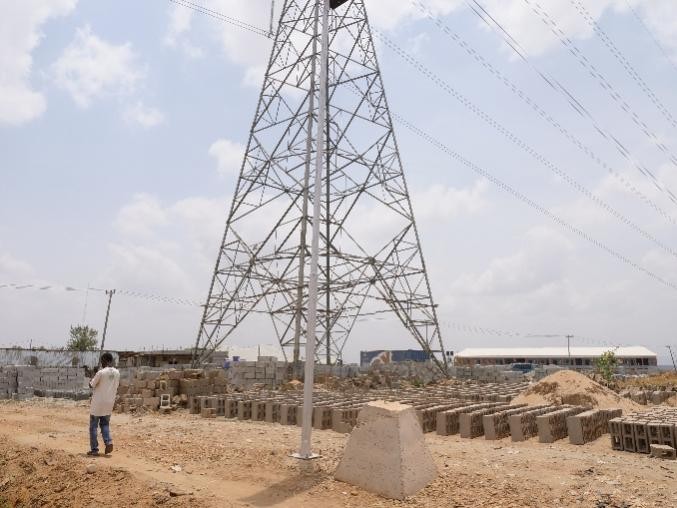
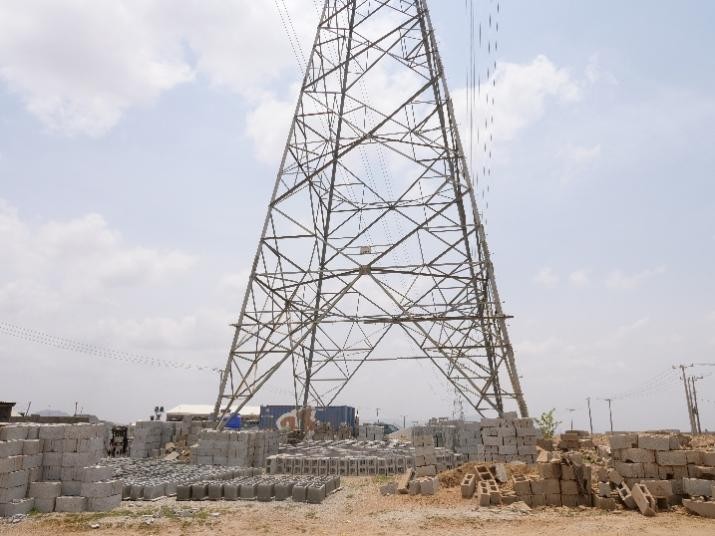
Within the same community, block-making activities are being carried out under transmission lines, and scavengers have piled up large amounts of debris around several tower bases. These activities not only obstruct maintenance access but also violate Right-of-Way regulations and compromise the safety and stability of the transmission infrastructure. These threats could lead to equipment failure, prolonged outages, and severe public safety hazards.
Timber Market
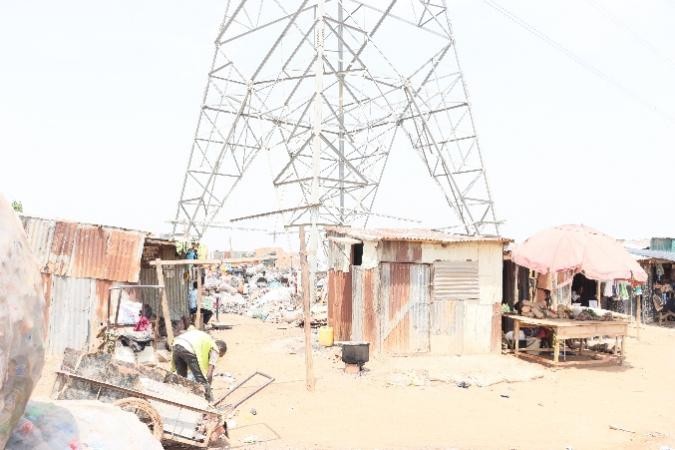
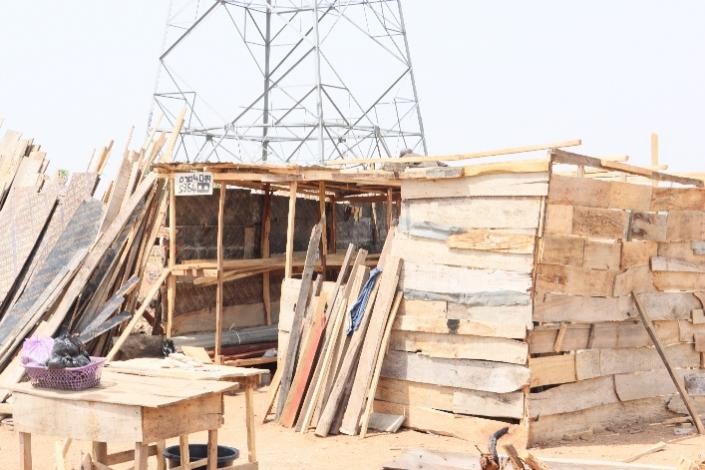
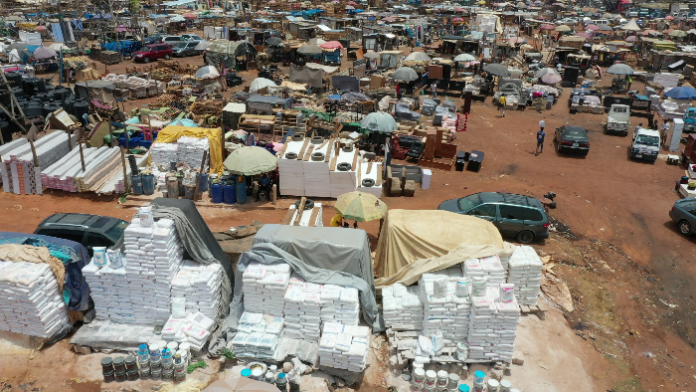
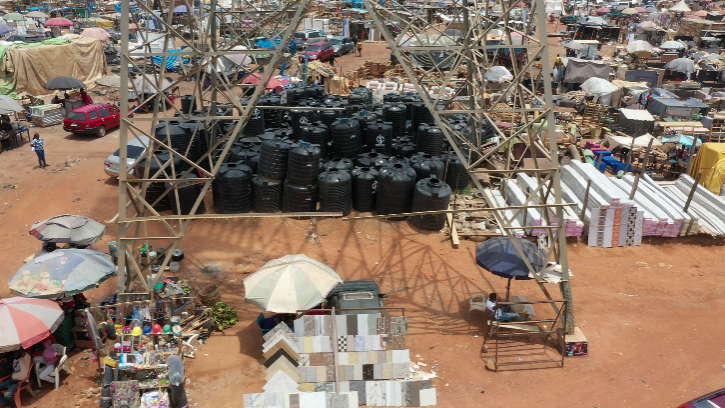
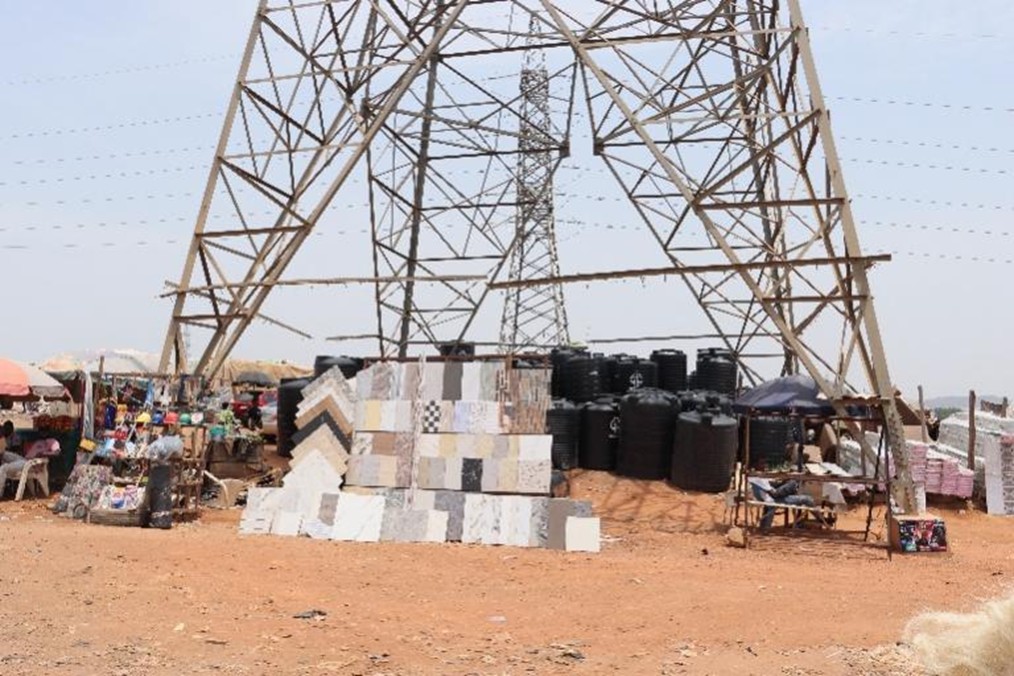
The overflow of the market is directly situated under and around the immediate surroundings of the transmission lines connected to the same Lugbe West Main Transmission Substation, and full trading activities are being carried out daily, with tower bases being converted to stores or warehouses. Artisans such as furniture makers, welders, goldsmiths, and mechanical workshops carry out their daily activities with total disregard of the transmission lines. Also, traders of various perishable commodities, building materials, abound under the transmission lines and even within the towers.
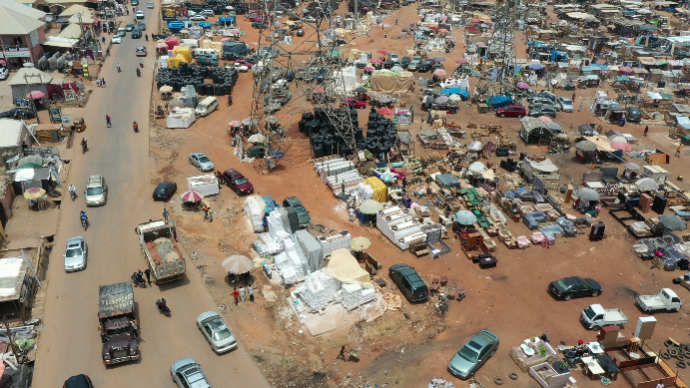
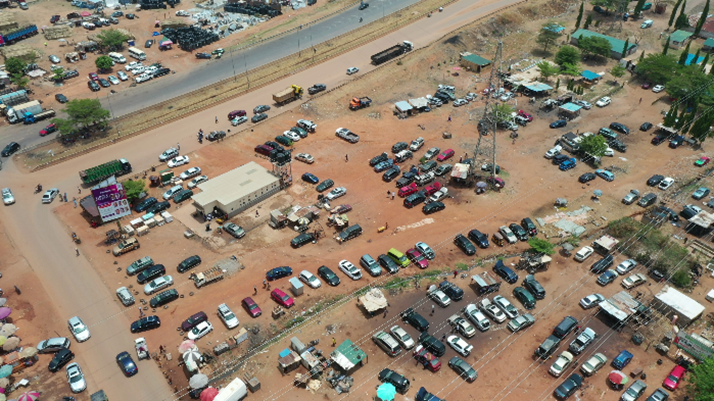
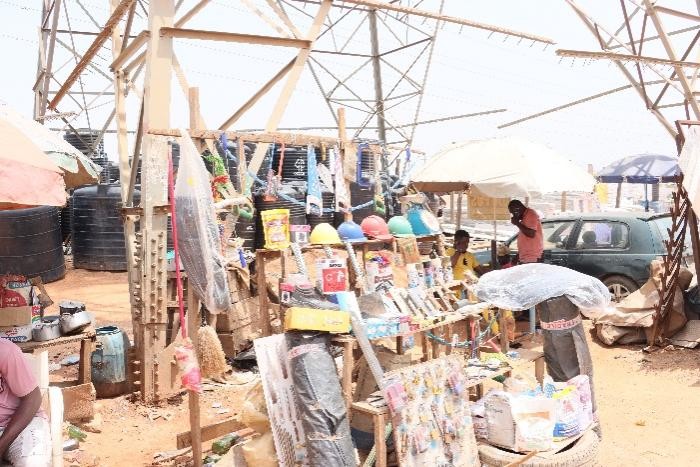
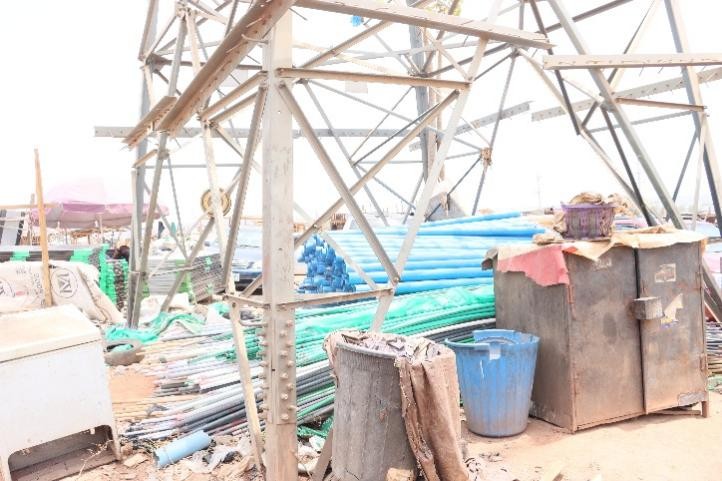
At Basan Jiwa Community (Reka Bus Stop), Airport Road
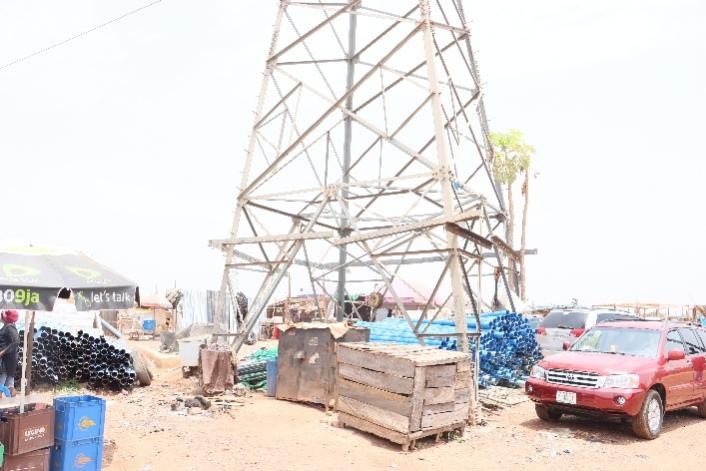
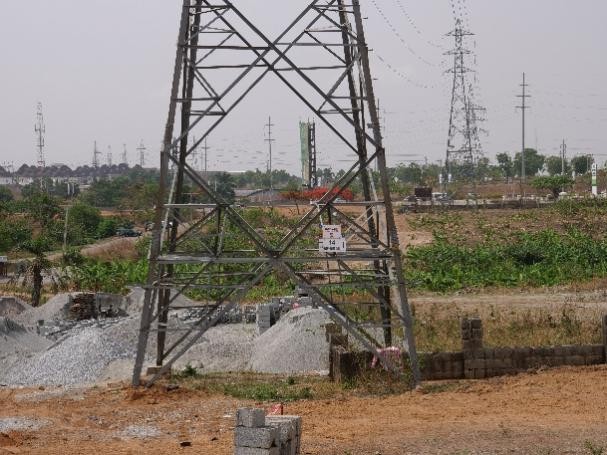
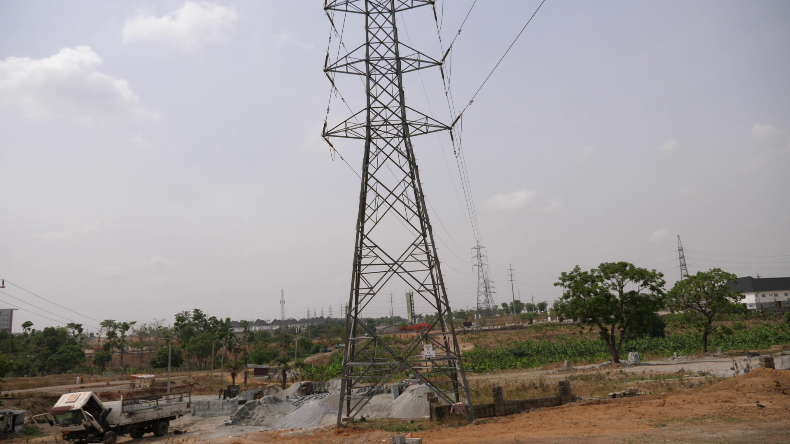
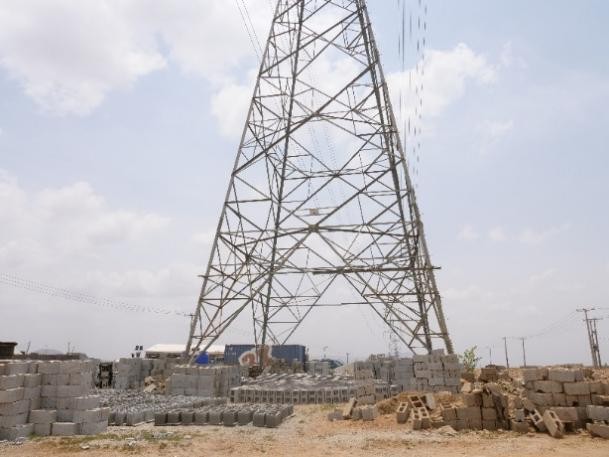
This area has been defaced with multiple Right-of-Way (RoW) violations at different locations. Beginning from Reka Bus-Stop, behind Afdin Petrol Station, there is a block-moulding site with heaps of sand and moulded blocks deposited at the base of the transmission tower posing significant safety and access concerns. Within the Basan Jiwa Community, there are numerous clusters of makeshift structures constructed with roofing sheets and sacks, being used for both residential and commercial purposes directly beneath the transmission lines and around tower bases. In some instances, tower members have been repurposed as laundry poles.
Car Wash, Police Sign Post – Along Airport Road
There are dumpsites located under and around various transmission tower bases across different locations. During this inspection, one particularly alarming scene stood out—a dumpsite actively burning directly beneath a transmission tower, with thick smoke enveloping the tower legs. The intense heat generated by the fire compromises the integrity of the tower base, making it vulnerable to structural weakening, buckling, and potential collapse. It’s collapse could lead to widespread power outages, significant financial losses, and loss of lives.
Gwagwalada
Impact of Encroachment
Impact on TCN and Transmission Infrastructure
The impact of Right-of-Way (RoW) violations on TCN and its infrastructure is quite significant. Transmission lines and towers require clear and unobstructed corridors to ensure the safe and efficient flow of electricity. When buildings, informal settlements, or commercial activities encroach on these spaces, routine maintenance by TCN crews becomes difficult or even impossible, increasing the likelihood of faults and prolonged outages. These obstructions disrupt grid operations, delay emergency repairs, and threaten the overall stability of the transmission network. Additionally, physical encroachment compromises the structural integrity of the infrastructure, raising the risk of serious accidents. Although rare in TCN’s case, high-voltage lines suspended on pylons can snap with potentially fatal consequences.
Unlike countries that largely use underground transmission systems, Nigeria relies primarily on overhead lines, which depend on air insulation. These lines are vulnerable to degradation over time, particularly when exposed to harmful environmental conditions, forcing TCN to redirect its limited resources originally allocated for system upgrades and network expansion towards repairing lines and towers affected by RoW activities. This continuous diversion of funds and manpower places a heavy burden on the utility and undermines efforts to improve electricity reliability.
Impact on Power Supply and Industry Growth
Encroachment on transmission Right-of-Way (RoW) significantly delays critical transmission projects, preventing the much-needed expansion of capacity and consequently hindering the growth of Nigeria’s industrial sector. According to the Lines Projects Department of TCN, more than 14 greenfield transmission line projects are currently stalled due to RoW violations. In addition, several brownfield projects—particularly in the southern part of the country—are heavily encroached, with residential buildings and commercial activities occupying land originally earmarked by the Federal Government for transmission infrastructure expansion. These developments make it impossible to reconductor existing lines or upgrade their capacity to wheel more power, stalling both present and future energy needs.
This situation also impedes the timely execution of transmission projects under initiatives such as the Nigeria Electricity Grid Maintenance, Expansion and Rehabilitation Programme (NEGMERP), which aims to strengthen the grid and connect underserved communities. When access to infrastructure is blocked, fault resolution and maintenance activities are delayed. Furthermore, limited line capacity restricts the volume of power that can be delivered across regions, worsening electricity shortages and placing an artificial ceiling on industrial productivity and economic competitiveness.
Beyond project delays and operational challenges, the consequences of persistent RoW encroachment can be catastrophic. Compromised transmission infrastructure is more vulnerable to structural failures such as tower collapses, which not only cause prolonged blackouts but also pose serious risks to human life and property. To safeguard power supply reliability and support long-term industrial growth, it is essential that concerted efforts be made to enforce RoW regulations, relocate illegal structures, and strengthen public awareness about the dangers of encroachment. Without this, the national target of expanding grid capacity and achieving stable, widespread electricity access will remain elusive.
TCN’s Efforts in Fighting Against the Tide
TCN has not remained passive in the face of this challenge. Over the years, it has carried out regional and national sensitization campaigns, leveraging traditional and new media to educate the public on transmission safety. TCN has taken community outreach programmes to the streets, warning residents about electromagnetic hazards and the dangers of structure encroachment.
Likewise, the company has collaborated with relevant authorities such as State Governments, enforcement agencies – Nigeria Security & Civil Defence Corps (NSCDC) and Nigerian Police. At the grassroots, there have been a series of local meetings with communities, youths and market leaders of host communities to encourage them to protect power assets and stop the unauthorized activities under transmission lines and towers.
Call to Action: Public Support is Crucial
For Nigeria’s power grid to remain efficient, TCN cannot fight this battle alone, relevant government agencies must enforce RoW laws more aggressively. State Governments must support the company more through their Ministries of Environment and Power as electricity is pivotal to the successful implementation and outcomes of their reforms. The local council that hosts TCN’s installations should enforce RoW of transmission lines at the point of approving building plan within the area.
TCN relies on the Police Force and the NSCDC to further intensify enforcement, which, if duly carried out, may dissuade this culture.
As TCN continues its public sensitization across the country, we expect a shift in public attitude that will result in community support and vigilance with active reporting of unauthorized activities in transmission installation areas.
A Disaster Waiting to Happen
If Nigeria fails to act decisively, the consequences could be catastrophic. Lives are at stake, the integrity of the national grid is under threat, and economic losses could be staggering. In the event of any hazard, including conductor snapping or tower collapse, the Transmission Company of Nigeria (TCN) shall not be held liable for compensation to any unauthorized or illegal occupants within its Right-of-Way (ROW). Occupation of the perimeter by such individuals is at their own risk.
TCN is doing its best to ensure efficient bulk power transmission, but it needs the support of the public, authorities, and stakeholders to put an end to transmission RoW encroachment. The solution is within reach, we must however muster the political will to ensure full implementation of existing laws on RoW encroachment.
ABOUT THE TRANSMISSION COMPANY OF NIGERIA (TCN)
As part of Nigeria’s broader power sector reforms in early 2005, the Federal Government, under the leadership of former President Olusegun Obasanjo, sought to address the nation’s growing electricity demand and the inefficiencies of the defunct National Electric Power Authority (NEPA). This led to the enactment of the Electric Power Sector Reform (EPSR) Act in 2005.
The enactment of the EPSR Act led to the unbundling of PHCN into 18 successor companies. The 18 companies include six Generation Companies (GENCOs), eleven Distribution Companies (DISCOs), and one Transmission Company (TCN). The companies operated under the transitional Power Holding Company of Nigeria (PHCN), which was later dissolved as reforms progressed. TCN was incorporated in November 2005 as a public liability company under the Companies and Allied Matters Act (CAMA).
For enquiries, please contact the Transmission Company of Nigeria
Location: 14, Zambezi Crescent, Maitama, Abuja.
Phone Number: 07016839880, 09088380966, 09088380967