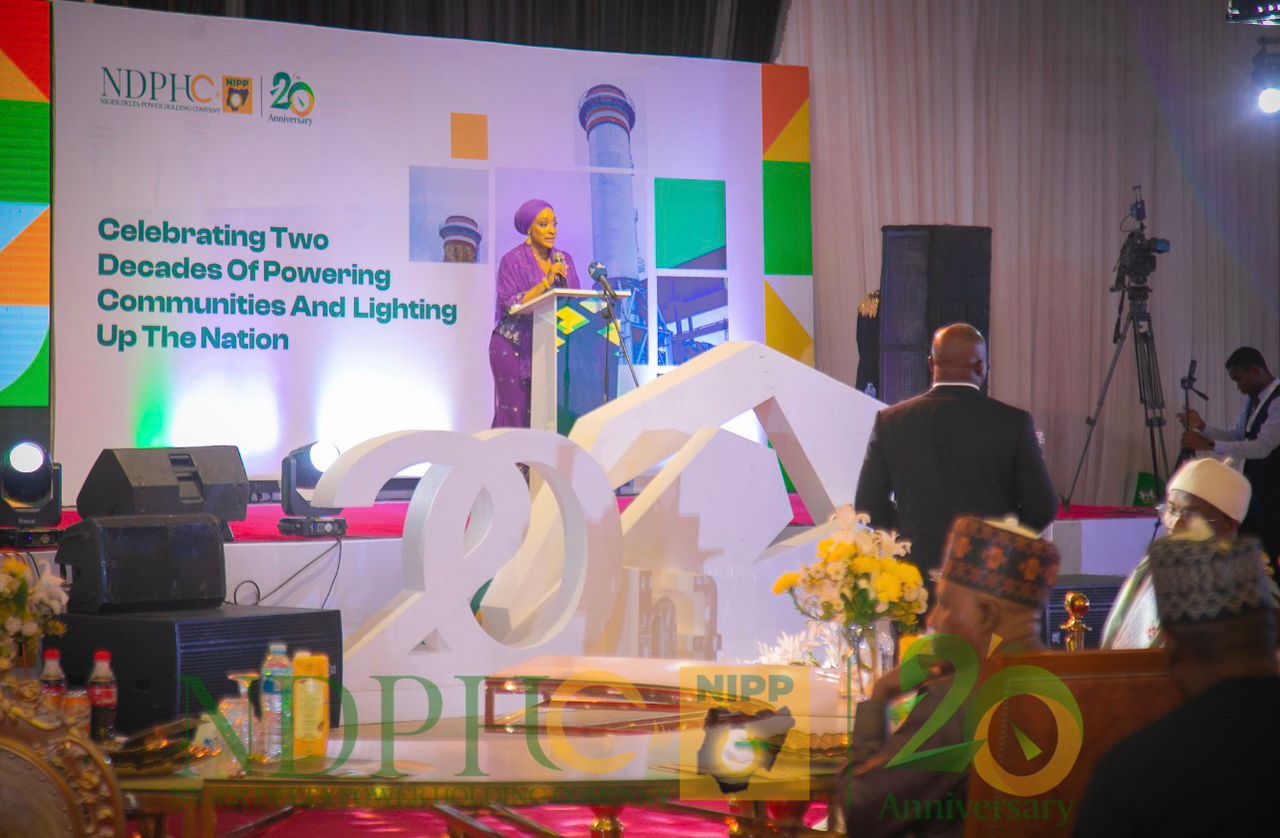
The National Integrated Power Project (NIPP) was conceived in 2004 as a bold, fast-track, government-funded initiative to rapidly expand Nigeria’s electricity generation, transmission, and distribution capacity. At its heart was a mission to strengthen the national grid while promoting rural electrification, energizing host communities, and preparing the power sector for private-sector participation, as outlined in the Electric Power Sector Reform Act (EPSRA) of 2005.
Founding Vision (2004–2005)
NIPP was initially designed around seven medium-sized gas-fired power stations located within the oil-producing states of the Niger Delta, supported by critical transmission backbone projects. Early in the programme, the design expanded to ten power plants, comprising eight Open-Cycle Gas Turbines (OCGTs) and two Combined-Cycle Gas Turbines (CCGTs), with seven of the OCGTs engineered for future CCGT expansion.
To professionally develop, build, own, and manage these assets, the Niger Delta Power Holding Company Limited (NDPHC) was incorporated in 2005. That same year, the National Council of State and the National Assembly approved an initial US$2.5 billion for the programme from the Excess Crude Oil Account (ECOA), jointly owned by the Federal, State, and Local Governments.
Funding Challenges & Renewed Momentum (2006–2009)
Following political transitions in 2007, the NIPP faced intense legal, political, and financial scrutiny, resulting in a two-year suspension of funding despite US$2.8 billion already invested and US$7.385 billion in contractual commitments.
Recognizing the urgency, the National Economic Council (NEC), in 2008, approved an additional US$5.375 billion as a Power Emergency Fund, subject to approval by all State Houses of Assembly. This action restored momentum, enabling continued construction of the ten power plants, gas delivery infrastructure, and nationwide transmission and distribution networks.
Governance & Leadership Evolution (2005–Present)
Nigeria’s Vice Presidents across administrations have led NDPHC’s Board:
- 2009: Dr. Goodluck Jonathan – First Chairman
- 2010–2015: Arc. Namadi Sambo – Second Chairman
- 2015–2023: Prof. Yemi Osinbajo – Third Chairman
- 2023–Present: Sen. Kashim Shettima – Current Chairman
The NIPP Steering Council, created by NEC in 2009, brought together vice presidents, state governors, and federal ministers to ensure accountability and strategic execution.
Managing Directors & Executive Teams
James Olotu (2005–2016) – The Pioneer Era
Mr. Olotu established the operational foundation of NDPHC and delivered the bulk of the ten gas-fired power plants and major transmission lines.
First Executive Team:
- Mr. Anthony Muoneke – ED Finance & Administration
- Engr. Louis Edozien – ED Engineering & Technical Services
Second Executive Team:
- Engr. Sanusi Garba – ED Generation
- Dr. Albert Okorogu – ED Networks
- Cliff-Eribo Azabanato Jnr – ED Finance & Accounts
- Minjiyawa Sani Labaran – ED Corporate Services
- Abdullahi Salisu – ED Legal/Company Secretary
Joseph Chiedu Ugbo (2016–2024) – The Consolidation Era
A seasoned energy law expert, Mr. Ugbo expanded infrastructure delivery, strengthened institutional reforms, and deepened NDPHC’s sectoral impact.
First Executive Team:
- Babayo Shehu – ED Finance & Administration
- Ifeoluwa Oyedele – ED Engineering & Technical Services
Second Executive Team:
- Babayo Shehu – ED Finance & Accounts
- Ifeoluwa Oyedele – ED Networks
- Mahmoud Mohammed (late) – ED Legal/Company Secretary
- Mrs. Nkechinyelu Mba – ED Corporate Services
- Engr. Abdullahi Kassim – ED Generation
- Dr. Steven Andzenge – ED Legal/Company Secretary
Engr. Jennifer Adighije (2024–Present) – The Expansion & Innovation Era
Appointed in August 2024, Engr. Adighije brought a fresh vision grounded in engineering, entrepreneurship, corporate governance, and stakeholder engagement. Her leadership focuses on internal restructuring, asset optimization, and alignment with President Tinubu’s energy reforms, including the 2024 Electricity Act (Amendment), enabling sub-national power generation and stronger community development obligations.
Current Executive Team:
- Engr. Abdullahi Kassim – ED Generation
- Dr. Steven Andzenge (MON) – ED Legal Services/Company Secretary
- Engr. Omoregie Ogbeide-Ihama – ED Corporate Services
- Omololu Agoro – ED Finance & Accounts
- Engr. Bello Babayo Bello – ED Networks
The Power Infrastructure Built (2004–2025)
The Big Ten Power Plants
NDPHC fully owns and operates ten medium-sized gas power plants:
- Olorunsogo (Ogun) – 759.4 MW
- Calabar (Cross River) – 630.5 MW
- Omotosho II (Ondo) – 518 MW
- Ogorode (Delta) – 504.4 MW
- Ihovbor (Edo) – 504.4 MW
- Geregu (Kogi) – 504 MW
- Alaoji (Abia) – 789.4 MW (CCGT expansion expected 2028)
- Gbarain (Bayelsa) – 252.2 MW (76% civil works complete)
- Egbema (Imo) – 61.7% complete (delivery 2026)
- Omoku (Rivers) – 264.7 MW (completion: 2026)
Collectively, these plants have contributed over 3,500 MW to the national grid for more than a decade.
Transmission Network Expansion
NDPHC has delivered:
- Over 6,000 MVA of transformation capacity
- Hundreds of kilometers of 330kV and 132kV transmission lines
- New switching stations, including the landmark Ikot Ekpene hub
A notable success is the Lafia 2×150 MVA substation, providing up to 250 MW to Nasarawa State and transforming power supply in North-Central Nigeria.
Distribution Infrastructure & Community Electrification
The commitment to electrify host communities produced:
- 337 completed 33/11 kV substations
- 199 distribution transformers
- Over 6,900 km of distribution lines
- 150+completed distribution projects
Of these, 121 have been formally handed over to DISCOs, with legal transfers
Gas Supply Infrastructure
To fuel its plants, NDPHC has built a robust gas supply framework that consistently fuels its fleet of gas-fired power plants. The company secures long-term gas agreements, manages commercial negotiations, and maintains strong partnerships with producers and transporters to ensure steady and competitively priced gas delivery. This commercial strength underpins reliable operations across both the western and eastern gas networks.
On the operational side, NDPHC coordinates daily gas nominations, monitors pipeline performance, and works closely with suppliers to maintain uninterrupted flow to its plants. Through effective planning, metering, and real-time monitoring, the company minimizes downtime and optimizes generation output. Together, these commercial and operational efforts ensure that gas, the lifeblood of NDPHC’s power plants, continues to drive a stable electricity supply for Nigeria. Despite market liquidity constraints, NDPHC has maintained consistent supply arrangements.
Driving New Markets: The Eligible Customer Programme
To reduce the incidences of stranded power due to grid constraints, NDPHC management has been working hard to sign bilateral power purchase agreements with distribution companies, state governments, and corporate entities on a Willing Buyer basis. So far, the company has agreements with the Kano State Government, the Lagos State Government, Eko Electricity, APLE Company, etc. Upcoming projects target Agbara Industrial Estate (Ogun) and Challawa (Kano) to further stimulate industrial growth.
These agreements are currently enabling more homes and businesses to enjoy a better, more reliable supply of electricity across the various franchise regions.
Renewable Energy Initiatives
With global emphasis on green renewable energy, NDPHC has diversified into that energy sector as a way of adding to its existing generation capacity.
The Renewable Energy Department coordinates NDPHC’s venture into power generation using On-grid and off-grid renewable energy sources (solar, wind, hydro, etc.) toward meeting the electricity needs of unserved and underserved Nigerians and meeting the vision of increasing the contribution of renewables to 30 percent of the National Energy Mix by the year 2030.
In this regard, NDPHC has fully deployed 20,000 solar home systems (SHS) across 12 states through a pilot project tagged “Beyond the Grid Project Phase I.” In addition to the SHS unit, NDPHC’s solar project is also directed at auditing and reactivating 1,073 solar-powered boreholes. Two of these boreholes are in the Wuna community of the Gwagwalada Area Council, and are the first to be launched, and have provided access to the community in the Federal Capital Territory.
Other notable projects in renewable energy include the supply and installation of a 2x50kwh Hybrid Cubes solar system at Okitipupa Specialist Hospital and Igbokoda General Hospital in Ondo state: supply and installation of 2 x15kwh Hybrid Cubes solar System at health centres at Etsako Central LGA, Edo State, and Comprehensive Health Centre in Ovia Southwest LGA of Edo State. The department has also completed the supply and installation of the 15kW Hybrid Cubes Solar System at the Primary Health Centre, Esan Central, Edo State.
These projects extend clean, reliable power to underserved communities and support Nigeria’s energy transition.
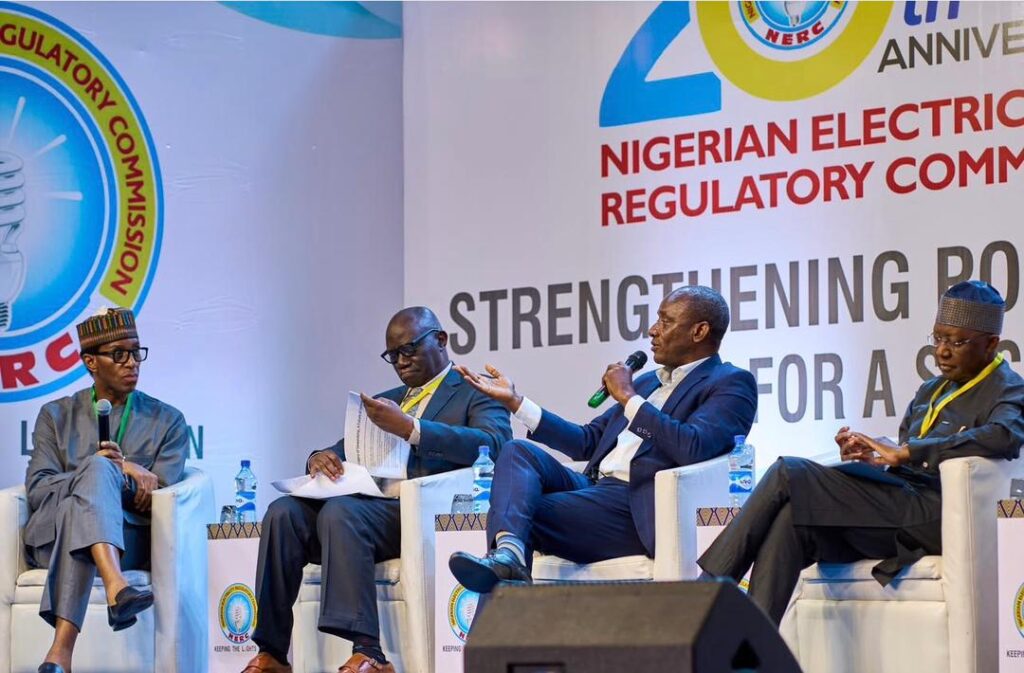
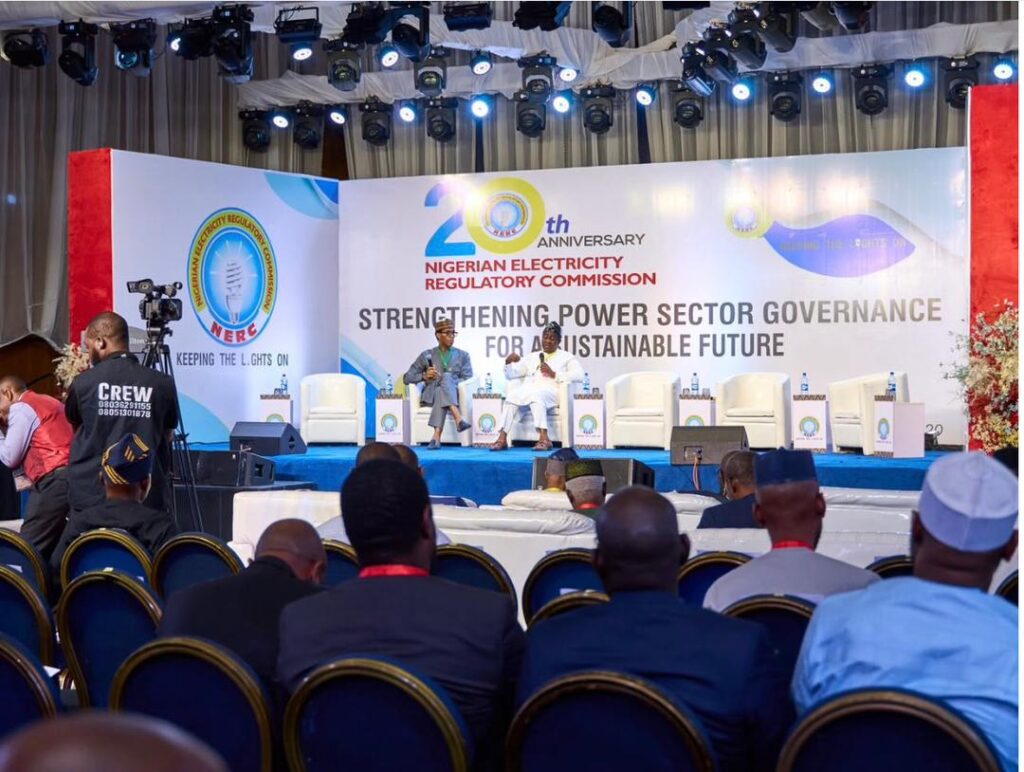
20 Years of Impact and a Future of Possibilities
From its inception in 2004 to today, NDPHC has transformed a national vision into concrete achievements, power plants, gas infrastructure, transmission backbones, distribution networks, and renewable energy solutions.
Despite funding delays, significant debt backlogs, regulatory changes, and sectoral complexities, NDPHC has stayed a strong and dependable player in Nigeria’s power sector. Under the leadership of Engr. Jennifer Adighije, the company is moving into a new phase of innovation, business expansion, and stronger collaborations.
For two decades, NDPHC has powered industries, energized homes, created jobs, strengthened communities, and illuminated the path toward Nigeria’s sustainable energy future.
About NDPHC:
NDPHC is incorporated under the Companies and Allied Matters Act as a private limited liability company with shareholding fully subscribed to by the Federal, state and Local Governments with a mandate to manage the power projects tagged ‘National Integrated Power Projects (NIPP)’.
Location
1490 Samuel Ademulegun Avenue,
CBD, Abuja, Nigeria
Call Center
+234 815 5888 806
Email Us
cpr@ndphc.net