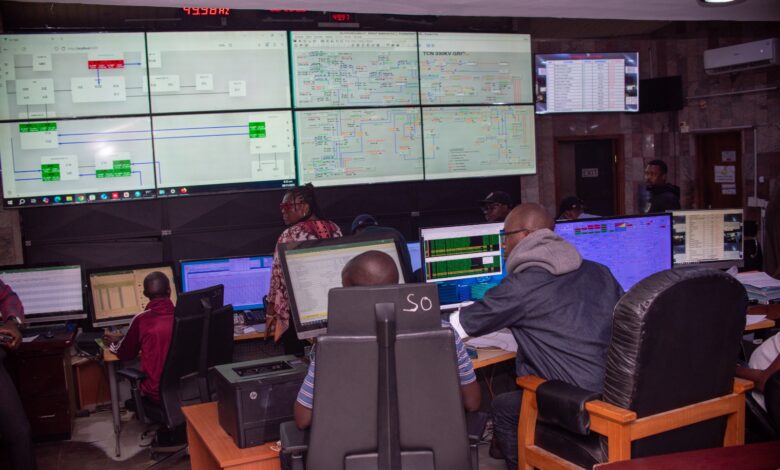
The Nigerian Independent System Operator (NISO) has recorded a major milestone in the nation’s power sector with the successful execution of a four-hour grid synchronisation test between Nigeria and the West African Power Pool (WAPP) interconnected system. Conducted on 8 November 2025, the achievement marks Nigeria’s strongest demonstration yet of operational readiness for regional grid integration.
The test, which unified Nigeria’s grid with those of other West African countries delivered a stable, uninterrupted power flow operating at a uniform frequency. For the first time in history, West Africa’s largest power system functioned seamlessly within the regional framework, a feat that underscores NISO’s growing capacity and technical leadership.
The successful synchronisation is the clearest evidence of NISO’s strengthened operational discipline. Since the organisation commenced full operations as an independent entity, it has prioritised grid stability, real-time system visibility, and modern operational practices. These efforts contributed directly to the flawless execution of a test that had failed in 2007 after only seven minutes.
The Federal Ministry of Power described the development as “a landmark achievement in the evolution of West Africa’s electricity architecture,” acknowledging the central role of NISO in coordinating the exercise and ensuring its success.
Beyond the technical accomplishment, the synchronisation test carries deep economic significance. It is the mandatory requirement for Nigeria’s participation in the regional electricity market, a platform that allows countries to trade electricity competitively. With this hurdle cleared, Nigeria is now positioned to earn foreign exchange through export, attract cross-border investment, and strengthen system reliability through regional support mechanisms.
The achievement also reflects broader institutional improvements by NISO across system operations, market administration, and planning. Grid stability has been maintained with minimal system disturbances since NISO’s assumption of its statutory responsibilities. Engagements with operators, technical partners, and distribution companies have strengthened market compliance and improved data integrity. Meanwhile, system planning efforts including updated load forecasting, generation adequacy assessments, and network modelling have deepened the technical foundation for long-term grid expansion.
The successful synchronisation is, therefore, not an isolated event but the outcome of months of structured reforms, disciplined operations, and strengthened collaboration under NISO’s leadership.
As West Africa moves toward a unified electricity market, Nigeria through NISO has signaled its readiness to take its place as a leading system operator in the region. The challenge ahead lies in sustaining this standard and building upon it to deliver lasting benefits for Nigerian consumers and the regional power community.
Kazah Bili Akau
AGM (Corporate Communications)